

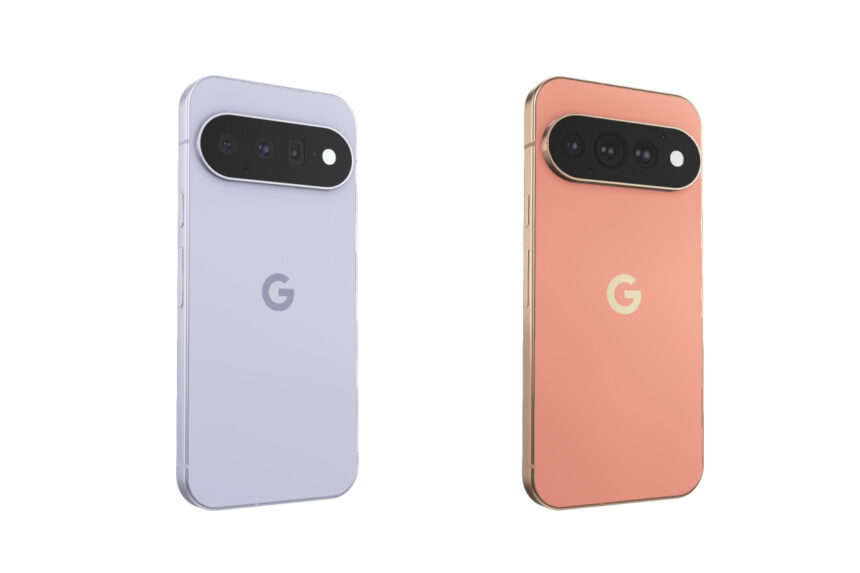
The annual refresh of Google’s flagship smartphone line invariably presents a critical juncture for power users and professionals: the strategic choice between the standard Pixel and its Pro counterpart. With the Pixel 11 vs Pro debate, this decision transcends mere budgetary considerations, delving into nuanced performance profiles, specialized utility, and long-term ecosystem integration. For the discerning user, understanding the architectural and philosophical divergences is paramount to making an informed investment in their mobile technology.
Core Performance: Tensor G6 and Sustained Power
At the core, both devices are powered by the latest iteration of Google’s custom silicon, the Tensor G6. While the baseline performance metrics—raw CPU/GPU throughput and AI/ML capabilities—are largely consistent, the Pro model often benefits from superior thermal management solutions. This allows for more sustained peak performance during extended demanding tasks like 4K video editing, complex computational photography processing, or intensive gaming sessions.
This isn’t just about initial benchmark scores, but about the integrity of performance under load, a critical factor for professional workflows. For tasks such as real-time AR/VR applications, large dataset processing on-device, or running multiple resource-intensive apps simultaneously, the Pixel 11 Pro’s enhanced thermal design ensures consistent reliability and prevents throttling, which can be a significant bottleneck for creative professionals and developers.
Visual Fidelity: Display Technology Differences
The display technology presents one of the most immediate differentiators. The Pixel 11 Pro typically features a higher-resolution panel, often coupled with a more advanced LTPO (Low-Temperature Polycrystalline Oxide) implementation. This enables a wider dynamic refresh rate range, from a power-saving 1Hz up to a buttery-smooth 120Hz.
This translates not only to a smoother visual experience but also to more granular power efficiency, dynamically adjusting to content from static text to high-frame-rate video. For professionals engaged in visual content creation, detailed data analysis, or extended screen time, the Pro’s display offers superior fidelity, brightness, and potentially reduced eye strain over prolonged use. The increased peak brightness on the Pro model also ensures better outdoor visibility and HDR content consumption, crucial for field work or on-the-go media review. Furthermore, the Pro display often boasts superior color accuracy and calibration, making it an ideal tool for designers and photographers who require precise visual representation.
Photography Prowess: The Camera Array
The camera array remains the most significant divergence and often the primary driver for opting into the Pro tier. While the Pixel 11 delivers Google’s renowned computational photography excellence with its primary and ultrawide sensors, the Pixel 11 Pro elevates this with a more comprehensive hardware suite.
This typically includes a larger primary sensor for enhanced light gathering and dynamic range, a more sophisticated ultrawide lens with autofocus capabilities for macro photography, and most notably, a dedicated telephoto lens with superior optical zoom. For content creators, journalists, or anyone requiring versatile photographic tools, the Pro’s telephoto lens isn’t merely about reaching further; it’s about achieving optically pure magnification, superior portrait depth mapping, and greater flexibility in framing without digital degradation.
The computational photography algorithms are often optimized to leverage these hardware distinctions, delivering more nuanced results in challenging lighting or specific use cases like astrophotography or advanced low-light scenarios. The Pro model might also offer additional video recording capabilities or professional-grade controls not found on the standard Pixel 11, further solidifying its appeal for serious videographers.
Battery Life and Charging Innovations
Battery optimization strategies also differ, though often less dramatically than other specifications. While the Pro model typically houses a larger battery, its higher-resolution display and more demanding camera system often necessitate this increased capacity. The critical insight lies in Google’s power management unit within the Tensor G6, which is finely tuned to balance performance and longevity across both devices.
For the Pro, this means ensuring its advanced features can be utilized extensively without premature power depletion, a non-negotiable for professionals on the move. Additionally, Pro models often support faster wired charging speeds and may include features like reverse wireless charging, allowing users to power accessories on the go. These charging innovations contribute significantly to the overall utility and reliability for users with demanding schedules.
Design, Durability, and Ecosystem Integration
Finally, the build materials and overall ergonomics contribute to the premium feel and durability. The Pro often incorporates more robust materials like polished aluminum or specialized glass, which, beyond aesthetics, can offer improved scratch resistance or a more substantial hand-feel. Both devices benefit from Google’s commitment to software updates and security, ensuring a long lifespan of feature enhancements and protection.
The Pro model’s hardware often unlocks specific capabilities within the Android ecosystem that cater to advanced users, such as enhanced connectivity options (e.g., UWB for precise location tracking) or more robust accessory support. Both phones typically boast an IP68 water and dust resistance rating, but the Pro’s premium materials might offer an edge in everyday resilience. To learn more about Google’s latest smartphone offerings, visit Google’s official Pixel product page.
Making Your Strategic Selection: Pixel 11 vs Pro
The decision between the Pixel 11 and Pixel 11 Pro is a strategic one, not a binary choice of good versus better. The Pixel 11 offers an exceptional flagship experience for the vast majority of users, delivering Google’s core innovations in a more accessible package. However, for the professional whose workflow demands the absolute pinnacle of mobile photography, sustained computational power, superior display fidelity for critical work, and the comprehensive feature set that only a “Pro” device can offer, the Pixel 11 Pro represents a targeted investment in specialized capability and optimized performance.
It’s about aligning the tool with the task, ensuring that the chosen device not only meets but anticipates the demands of a high-performance digital lifestyle. For more insights into technology and lifestyle, visit ETimes247.