

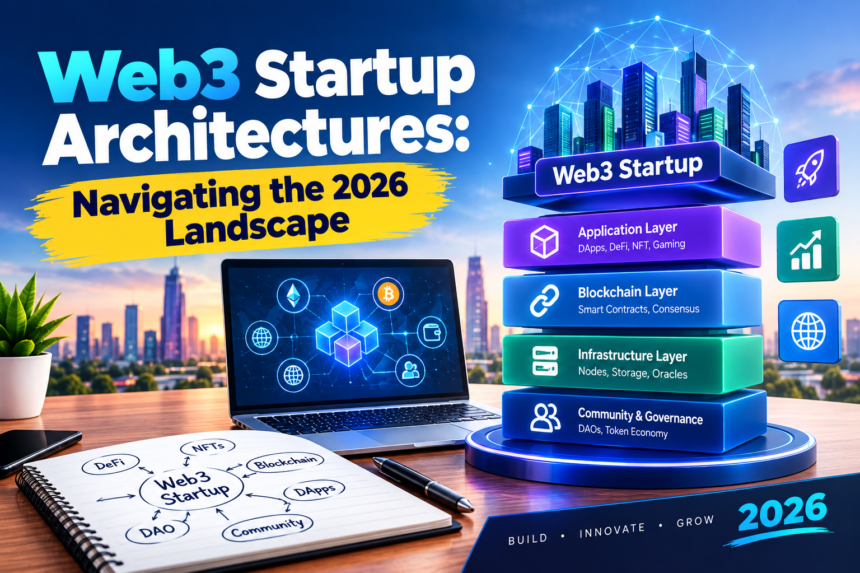
Navigating the Shifting Sands: Building a Resilient Web3 Startup in 2026
The Web3 landscape, while still nascent, is rapidly maturing. By 2026, the initial speculative frenzy will have largely subsided, replaced by a more discerning market demanding tangible utility and sustainable business models. Building a successful Web3 startup in this environment requires a strategic pivot from pure innovation to robust execution, focusing on long-term value creation and user adoption.
Beyond the Hype: Identifying Sustainable Utility
The foundational principle for any Web3 venture in 2026 must be unassailable utility. The days of launching a token and expecting automatic value appreciation are over. Your project must solve a real-world problem or significantly enhance an existing process through decentralization, tokenization, or other blockchain-native features. This means rigorously evaluating:
- Problem-Solution Fit: Is your Web3 solution genuinely superior to its centralized or Web2 counterparts? Does it offer enhanced security, transparency, censorship resistance, or economic incentives that are not easily replicated?
- Tokenomics Design: Tokenomics are no longer an afterthought; they are the economic engine of your ecosystem. Focus on well-defined utility for your token, clear value accrual mechanisms, and sustainable inflation/deflationary pressures. Consider multi-token models or stablecoin integration for enhanced stability.
- User Experience (UX) Parity: The blockchain’s inherent complexities remain a significant barrier. Achieving UX that rivals or surpasses Web2 applications is paramount. This involves abstracting away technical complexities, streamlining onboarding, and ensuring intuitive interfaces.
Decentralization as a Strategic Lever, Not a Dogma
While decentralization is a core tenet of Web3, its implementation must be strategic. A fully decentralized approach from day one might be impractical and detrimental to initial development velocity and user experience. Consider a phased decentralization strategy:
- Progressive Decentralization: Begin with a more centralized core for rapid iteration and user acquisition, gradually handing over control and governance to the community as the ecosystem matures.
- Hybrid Models: Explore hybrid architectures that leverage the strengths of both centralized and decentralized systems. For instance, using a blockchain for immutable record-keeping or asset ownership while employing traditional infrastructure for high-throughput operations.
- Governance Frameworks: Robust and fair governance mechanisms are crucial for long-term sustainability. Design clear pathways for community participation, proposal submission, and voting that prevent capture by special interests.
Navigating Regulatory Headwinds and Building Trust
The regulatory environment for Web3 will continue to evolve, presenting both challenges and opportunities. Proactive engagement and a commitment to compliance are essential:
- Regulatory Foresight: Stay abreast of evolving regulations in key jurisdictions. Engage with legal counsel specializing in blockchain and digital assets to ensure your business model is compliant.
- Transparency and Auditability: Embrace transparency in your operations, code, and tokenomics. Regular security audits and public documentation build trust with users and regulators alike.
- KYC/AML Considerations: Depending on your application’s nature, incorporating Know Your Customer (KYC) and Anti-Money Laundering (AML) procedures might be necessary. Explore decentralized identity solutions where feasible.
Ecosystem Building and Network Effects
In Web3, the strength of your project is intrinsically linked to the health and growth of its ecosystem. Cultivating strong network effects is key:
- Developer Relations: Foster a vibrant developer community by providing comprehensive documentation, SDKs, and grants for building on your platform.
- Interoperability: Design your project with interoperability in mind. Seamless integration with other blockchains and Web3 protocols will expand your reach and utility.
- Community Engagement: Beyond token holders, cultivate a genuine community of users, contributors, and evangelists. Active participation in governance and development is a hallmark of successful Web3 projects.
The Road Ahead: Resilience and Adaptability
The Web3 space is characterized by rapid innovation and unpredictable shifts. Success in 2026 will hinge on building a startup that is not only technically sound but also strategically agile and deeply attuned to market demands. Focus on delivering undeniable value, fostering a robust ecosystem, and navigating the evolving regulatory landscape with foresight and integrity. The future of Web3 belongs to those who can build not just for the next bull run, but for the long haul.