
 Faisal Salisu Dambatta
Table of Contents
Dive into the future of the internet with this high-quality Web3 guide. Discover how decentralization, blockchain, and user ownership are reshaping the digital world — explained in a clear, no-fluff, professional tone.
1. Introduction: Why Web3 Matters
We’ve been living in the era of Web 2.0 for a good while: social media, platforms owning your data, centralised services, ad models. But Web3 is positioned as the next frontier — where YOU (the user) regain more control.
In simple terms: Web3 aims to flip the script from big tech holding all the cards to users owning their data and participating in the network.
From an enterprise/traditional viewpoint: It’s not just tech hype — firms like PwC are already saying Web3 is more than metaverse or NFTs; it’s a business-model shift.

2. The Evolution: Web1 → Web2 → Web3
To understand Web3, it helps to look back — because tradition matters (yes I said it).

-
Web1 (roughly 1990s to early 2000s): Read-only web; static pages; users were mainly consumers.
-
Web2: The social web; interactive; user-generated content; but centralised platforms (think Facebook, Google) controlling data and monetising it.
-
Web3: The proposed next step — decentralised, user-centric, built on blockchain. You could say it’s old school tech values (like sharing, openness) merged with forward-thinking systems.
3. What Exactly Is Web3?
Let’s break it down:
-
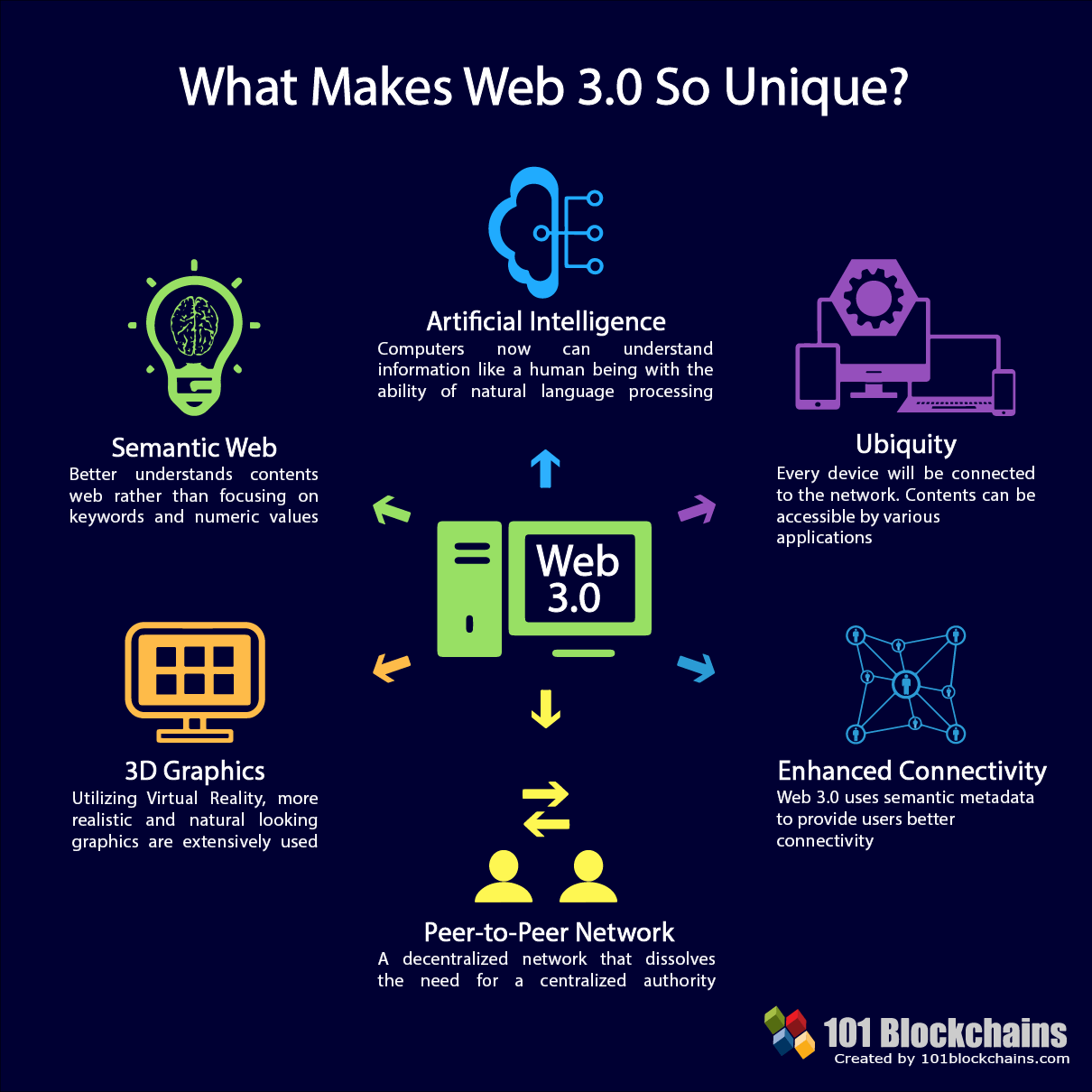
Decentralisation: Instead of data being stored and managed by single entities (e.g., big companies), it’s distributed across networks (nodes).
-
User ownership / data control: Users gain stronger ownership over their data, digital identity, assets.
-
Blockchain & smart contracts: Under the hood you’ll find technologies like blockchain, smart contracts (self-executing code), tokenomics, etc.
-
Trustless & permissionless systems: The idea that you don’t need a central trusted authority; systems operate via code, peer-to-peer.
4. Core Technologies & Components
Here are the key pieces of the Web3 stack (so you know what to talk about intelligently).
-
Blockchain / Distributed Ledger Technology (DLT): The foundational tech. Immutable records, consensus, distributed nodes.
-
Smart Contracts: Code that runs on blockchains, enabling automated trustless transactions.
-
Tokens & Digital Assets: Cryptocurrencies, non-fungible tokens (NFTs), other tokenised assets. These enable new economic models. Wikipedia+1
-
Decentralised Applications (dApps): Applications built on blockchain networks rather than traditional servers.
-
Decentralised Identity / Data Ownership: Systems where you control your credentials / identity rather than platforms.
-
Interoperability / Open Protocols: Web3 envisions systems talking to each other, less siloed.
5. What’s the Value? Why Should You Care?
Here are several strong reasons why Web3 is more than buzz:
-
Empowerment of users: You’re not just a commodity. You might have ownership stakes, tokenised incentives, governance rights.
-
Reduced reliance on central authorities: That means less gatekeeping, less single point of failure, potentially less censorship.
-
New business models: Traditional models (ad-driven, data monetisation) could be challenged. Brands, services may reward users directly.
-
Enhanced security & transparency: Because of open ledger systems, optionally less opaque.
-
Global reach and inclusion: Web3 technologies cross borders, can lower barriers (especially relevant for places like Nigeria / Africa).
6. Use Cases & Real-World Examples
Let’s talk real. It’s always good to tie back to tangible usage.
-
Decentralised Finance (DeFi): Financial services (lending, borrowing, trading) run on blockchain without traditional banks.
-
Digital Identity & Ownership: Systems where you own your identity, credentials, digital assets.
-
Tokenised ecosystems / gaming / metaverse: Where assets in one virtual world have value, you own them, you move them.
-
Enterprise / Brands: Companies exploring Web3 to build communities, new loyalty models, token-driven engagement. (See PwC commentary.)
-
Africa / Emerging Markets: For users in Nigeria and across Africa: Web3 offers potential to leap‐frog traditional infrastructure, create new digital economies, ownership models.
7. Challenges & Criticisms (No Sugar-Coating)
Because tradition says: every revolution has friction. Let’s face it.
-
Scalability & performance: Many blockchains still struggle with throughput, latency compared to centralised systems. Simplilearn.com+1
-
User experience / complexity: Wallets, keys, tokens — unfamiliar territory for mainstream users.
-
Governance & regulation: What happens when things go wrong? Who is responsible? Some argue Web3 shifts problems rather than solves them entirely. Wikipedia+1
-
Centralisation creep: Even in Web3 systems there can be concentration of power (big token-owners, large nodes).
-
Hype vs reality: Many Web3 projects are experimental; full promise isn’t yet realised. Encyclopedia Britannica
-
Security / privacy concerns: Public ledgers, wallet keys — new attack surfaces.
-
Resource & energy use: Some blockchain consensus models consume lots of energy (though many are shifting).
8. What Lies Ahead (Forward-Thinking + Traditional Outlook)
Bridging the past and the future:
-
We’ll likely see hybrid models — Web2 architectures adopting Web3 components (rather than full replacement).
-
For businesses: Web3 strategy is no longer optional. Start pilot projects; don’t wait. PwC says: “Business leaders should begin to formulate a Web3 strategy and begin experimenting.” PwC
-
In markets like Nigeria and Africa: great potential for leapfrogging—digital identity, financial inclusion, novel asset classes.
-
For regulation & policy: Traditional frameworks will evolve. We’ll see more policy attention on digital identity, token regulation, data governance.
-
From a user standpoint: Getting comfortable with digital wallets, self-sovereign identity, token participation will become as normal as having an email was in Web1.
-
Looking further: The intersection of Web3 with AI, IoT, AR/VR could unlock broader ecosystems. (Academic work already probing Web3 x AI agents.) arxiv.org+1
9. What You Should Do (Actionable Steps)
If you’re reading this and saying “Okay, what next?” here’s practical guidance:
-
Educate yourself: Learn basic blockchain concepts, wallet setup, smart contracts. Get comfortable with the vocabulary.
-
Experiment: Try a small-scale Web3 application: e.g., a decentralised wallet, token, dApp. Hands-on beats theory.
-
Think community: Web3 thrives on network effects, token incentives, shared governance. If you’re building something, design for community from day one.
-
Data & identity mindset: Shift from thinking “platform owns my data” to “I own/control what I share, how I’m rewarded”.
-
Plan business use-cases: If you’re in an organisation: ask how Web3 can disrupt or complement your current model. Don’t just chase buzzwords.
-
Be patient: The full vision of Web3 hasn’t arrived yet. Some parts are still emerging. Expect bumps, pivots, gains.
10. Conclusion
Web3 isn’t just another tech fad — it’s a fundamental shift in how the internet may operate, how value is created and shared, how users interact with platforms and data. From a traditional outlook, it nods to older ideals: decentralisation, ownership, community. At the same time, it views the future: immersive digital assets, global participation, new economic models.
If you’re serious about staying relevant in the digital economy, Web3 is a space you cannot ignore. But treat it with nuance: there are real challenges, real risks — and the promise is not yet fully realised. Your move: get informed, take measured steps, and be ready for the next wave.
