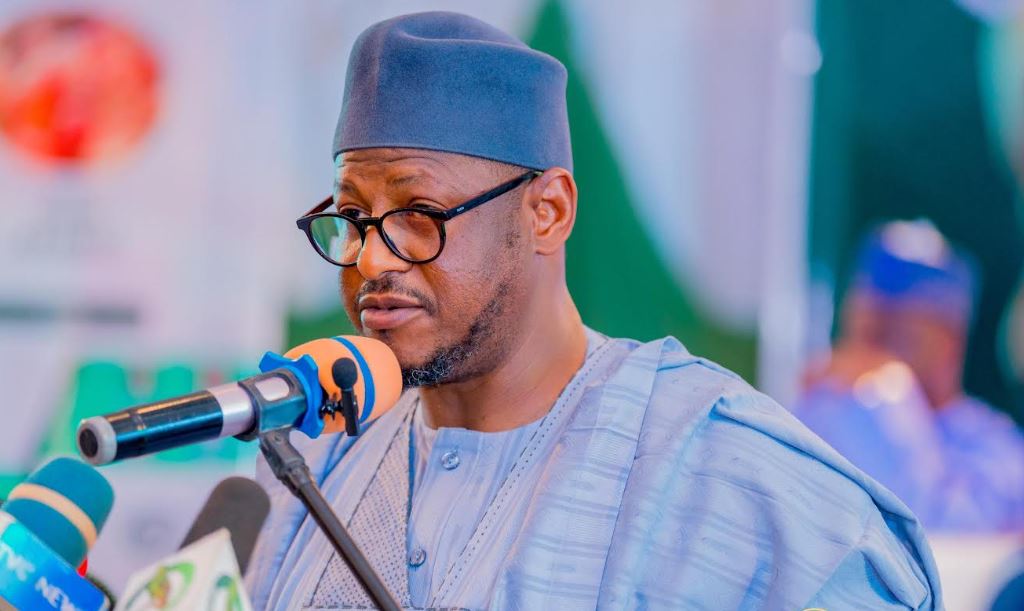


EFCC Hands Over ₦1.28 Billion Cheques, Recovered from Sujimoto to Enugu Govt
In a significant move that underscores the growing emphasis on financial recovery and the crackdown on financial crimes in Nigeria, the Economic and Financial Crimes Commission (EFCC) has recently handed over ₦1.28 billion in stolen cheques. This pivotal case marks a crucial victory in the ongoing fight against money laundering, fraud, and corruption within the financial sector. The recovered cheques were traced back to the Enugu State Government, highlighting the importance of vigilance and cooperation in safeguarding public funds.
- EFCC Hands Over ₦1.28 Billion Cheques, Recovered from Sujimoto to Enugu Govt
- The Case Unraveled: Tracing the Stolen Funds
- EFCC’s Role in Financial Accountability
- Why This Case Matters
- Lessons Learned and Future Strategies
- The Impact on Enugu Government and Local Communities
- Expert Opinions and Analysis
- Conclusion
The Case Unraveled: Tracing the Stolen Funds
The investigation began from bog Bernardo Sujimento, a city in Kogi State, where several lucrative business deals were allegedly executed with illicit funds. What followed was a meticulous forensic analysis of banking records, money transmittals, and rural relief fund claims. The recovered ₦1.28 billion comes from hundreds of thousands of cheques, many of which were designed to transfer sizable sums without immediate scrutiny.
Security teams, financial experts, and law enforcement collaborated to map out the flow of these funds. What emerged was a clear pattern of misuse, involving both local campaigns and national-level criminal networks. The EFCC’s timely action not only saved the public from financial loss but also sent a strong message to potential perpetrators about the reach of enforcement agencies.
EFCC’s Role in Financial Accountability
The EFCC has long been front and center in the battle against financial crimes in Nigeria. Established in 1993, the commission has played a critical role in identifying corrupt practices, recovering stolen assets, and bringing traffickers to justice. This latest recovery of ₦1.28 billion is a testament to the commission’s commitment to transparency and accountability.
Through advanced investigative tools, data analytics, and collaboration with national and international bodies, the EFCC continues to maintain its reputation as a formidable force in financial crime prevention. The successful operation not only benefits individual victims but also strengthens public confidence in the judicial system.
Why This Case Matters
This high-profile case serves as a powerful reminder of the real-world impact of financial crimes. The stolen funds had been used for funding various illicit activities, including affordable housing schemes, unexplained expense reimbursements, and disguised payments to officials. By recovering this amount, the EFCC has helped restore integrity to public resources.
Moreover, the operation showcases how intelligence gathered from citizen reports, digital forensics, and follow-up audits can lead to substantial recoveries. For the Nigerian public, it underscores the importance of reminding those in power to maintain strict oversight over their expenditures.
Lessons Learned and Future Strategies
The successful handling of this case provides several valuable lessons for financial institutions, government agencies, and citizens alike.
- Strengthening Bank Surveillance: Financial institutions must tighten internal checks to prevent misuse of banking channels.
- Increased Public Awareness: Educating the public on the dangers of financial scams can curb demand for fraudulent transfers.
- Inter-Agency Collaboration: Joint operations between the EFCC, state governments, and federal agencies enhance the effectiveness of recovery efforts.
Looking ahead, the EFCC must continue adapting to evolving financial tactics used by criminals. This case highlights the necessity of modernizing recovery techniques, investing in technology, and fostering a culture of integrity across all levels of governance.
The Impact on Enugu Government and Local Communities
The Enugu government, which received the recovered funds, has initiated a series of reforms aimed at preventing future misuse. The people of Enugu can now rest assured that their government is committed to safeguarding public funds and pursuing justice for past misdeeds.
For local communities, the recovery of these funds opens the door to renewed development initiatives. Whether it’s funding schools, healthcare, or infrastructure, the return of resources can be channelled into improving the lives of residents. It also reinforces the idea that accountability brings lasting benefits.
Expert Opinions and Analysis
Financial crime experts emphasize the significance of such operations. “This operation didn’t just recover money—it restored public trust,” says a financial analyst. “It’s a clear indication that enforcement is becoming more aggressive.”
Similarly, government officials have lauded the initiative. “By seizing these funds, the EFCC is laying the foundation for a more transparent financial environment,” says a spokesperson for the Enugu State Government.
This case also reflects a broader trend in Nigeria where financial institutions are increasingly enforcing stricter compliance measures to prevent fraud and money laundering.
Conclusion
The EFCC’s successful handover of ₦1.28 billion in recovered cheques represents a monumental step in Nigeria’s fight against financial crimes. The case not only highlights the ingenuity and determination of law enforcement but also serves as a powerful tool for restoring public confidence in financial systems.
As the emphasis on accountability grows, it remains crucial for individuals, businesses, and communities to stay vigilant. By playing an active role in reporting irregularities and supporting transparent governance, we can ensure that such recoveries become the norm rather than the exception.
This victory is more than numbers—it’s a promise that justice will prevail and that the fight against corruption is far from over. With continued cooperation and strong enforcement, Nigeria can take significant strides toward a more secure and equitable financial future.