

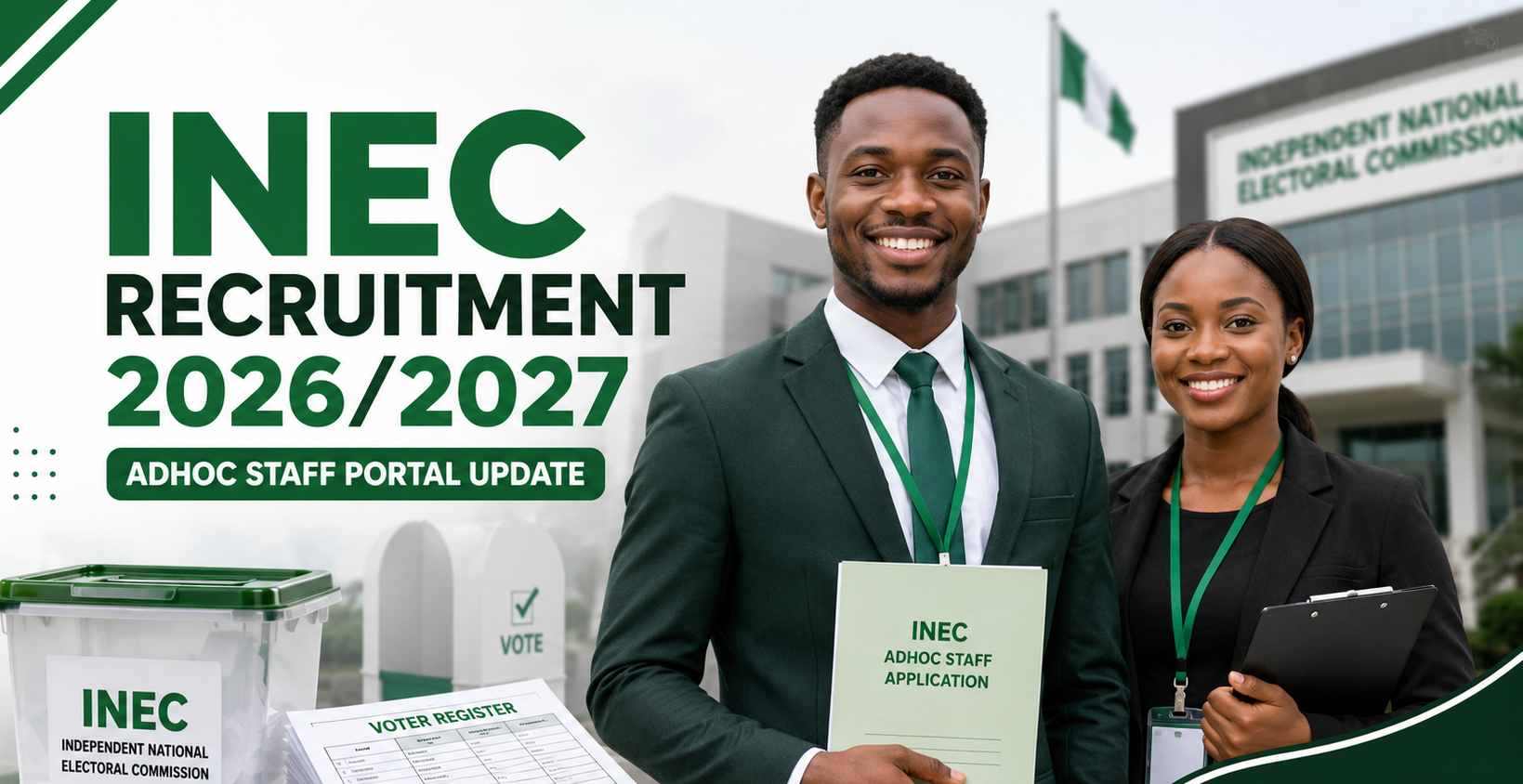
The Independent National Electoral Commission (INEC) recruitment cycle for 2026/2027 represents a critical juncture for professionals seeking to contribute to Nigeria’s democratic process. Far from a mere employment opportunity, engagement with INEC, particularly in roles supporting a general election, demands a sophisticated understanding of electoral logistics, data integrity, and public trust. This article moves beyond rudimentary application guidelines, offering a strategic framework for prospective applicants to optimize their candidacy and navigate the competitive landscape effectively.
Understanding the INEC Mandate: Beyond the Job Description
Successful applicants for INEC roles, whether ad-hoc or permanent, are not merely filling vacancies; they are becoming custodians of electoral integrity. A strategic approach begins with internalizing INEC’s core mandate: conducting free, fair, and credible elections. This necessitates a workforce characterized by impartiality, meticulousness, resilience, and a profound commitment to national service.
When the INEC Recruitment 2026/2027 Portal eventually opens, the underlying criteria will invariably reflect these foundational principles. Therefore, a candidate’s preparation must transcend basic qualification checks and delve into demonstrating an alignment with these values. Consider how your professional experience, even if not directly electoral, showcases a capacity for rigorous data handling, conflict resolution, logistical coordination, or public engagement in sensitive contexts.
Proactive Preparation: Anticipating Requirements and Optimizing Eligibility
While specific requirements for the 2026/2027 cycle will be formally released, historical trends and the evolving demands of electoral administration offer actionable insights for proactive preparation.
- Credential Verification and Digital Readiness:
- Academic and Professional Certifications: Ensure all academic qualifications (SSCE, OND, HND, B.Sc., M.Sc., Ph.D.) are readily verifiable and free from discrepancies. Proactively obtain official transcripts if not already in possession.
- National Youth Service Corps (NYSC): For roles requiring it, confirm the status of your NYSC discharge or exemption certificate. Any issues here can be a significant disqualifier.
- Digital Literacy: The increasing digitization of electoral processes (e.g., BVAS, IReV) means proficiency in basic office software, data entry, and navigating online platforms is no longer an advantage but a fundamental expectation. Consider certifications in relevant IT skills.
- Identification: A valid National Identification Number (NIN) is paramount. Ensure consistency across all identification documents.
- Skill Alignment and Competency Mapping:
- Logistics and Operations: Roles often involve managing materials, personnel, and polling units. Highlight experience in supply chain management, project coordination, or event planning.
- Data Management and Analysis: With the emphasis on data-driven decision-making, skills in data entry, database management, or even basic statistical analysis can be highly advantageous.
- Public Engagement and Communication: Voter education, dispute resolution, and managing public perception are critical. Showcase experience in public relations, community development, or stakeholder management.
- Technical Support: As technology integrates deeper into electoral processes, individuals with IT support, networking, or software troubleshooting skills will be invaluable.
Navigating the Application Portal: A Tactical Approach
When the INEC Recruitment 2026/2027 Portal becomes active, the application process itself demands a strategic, rather than merely procedural, approach.
- Early Engagement vs. Meticulous Review: While applying early can mitigate last-minute technical glitches, rushing the application is counterproductive. Prioritize meticulousness. Dedicate ample time to thoroughly review all instructions and requirements before commencing.
- Data Integrity and Consistency: Every piece of information entered must be accurate and consistent with your supporting documents. Discrepancies, even minor ones, can lead to disqualification. Double-check names, dates of birth, academic institutions, and contact details.
- Optimizing Your Profile/CV:
- Tailor for Impact: Generic CVs are ineffective. Customize your resume to explicitly highlight experiences and skills directly relevant to INEC’s operational needs and values. Use keywords found in previous INEC job descriptions or the anticipated requirements.
- Quantify Achievements: Instead of merely listing duties, quantify your achievements where possible (e.g., “Managed logistics for 500 participants,” “Processed data for 1,000 records daily”).
- Highlight Integrity and Service: Integrate aspects of your background that demonstrate a commitment to ethical conduct, public service, and impartiality.
- Statement of Purpose/Cover Letter (If Applicable): If the application process includes a section for a personal statement or cover letter, use it to articulate your genuine motivation for joining INEC. Connect your skills and experiences directly to the commission’s mandate and the specific role you are targeting, emphasizing your understanding of the gravity of electoral duties.
Beyond the Submission: Post-Application Strategy
The application deadline is merely one milestone. A strategic applicant understands that the process extends beyond hitting “submit.”
- Monitoring and Verification: Regularly check the official INEC website and your registered email for updates regarding shortlisting, aptitude tests, or interviews. Be wary of unofficial communications or fraudulent websites.
- Aptitude Test Preparation: Anticipate a competency-based assessment. Brush up on general knowledge, current affairs (especially electoral history and governance), quantitative reasoning, and verbal aptitude.
- Interview Readiness: For those shortlisted for interviews, prepare to articulate your understanding of INEC’s challenges, your proposed solutions, and how your personal values align with the commission’s integrity standards. Be ready for situational judgment questions that test your impartiality and problem-solving skills under pressure.
- Ethical Conduct: Throughout the entire process, uphold the highest standards of ethics. Avoid any attempts to influence the process through unofficial channels, as this directly contradicts the principles INEC upholds.
The INEC Recruitment 2026/2027 Portal will open doors to a significant national undertaking. For the discerning professional, success hinges not just on meeting stated requirements, but on a strategic, proactive, and deeply informed approach that aligns personal competencies with the critical demands of electoral administration. Begin your preparation today, focusing on verifiable credentials, skill optimization, and a demonstrated commitment to Nigeria’s democratic future.